
Fan Cleaning Guide
Feb 17th 2026 Staff
Table of Contents:
- Introduction to Fan Cleaning
- Different Types of Fans and Cleaning Considerations
- Preparing for a Safe and Efficient Cleaning
- Surface Dusting for Regular Maintenance
- Deep Cleaning the Fan
- Reassembly and Final Touches
- Specialty Cleaning Techniques for Hard-to-Clean Fans
- Post-Cleaning Maintenance and Care
- Setting a Regular Dusting and Cleaning Schedule
- Common Fan Cleaning Issues
- When to Consider Professional Cleaning Services
Introduction to Fan Cleaning
It is important to clean your ceiling fans regularly to remove accumulated dust and debris. Clean fans lead to improved air quality, better fan operation, and energy savings. In this guide, you will learn about the different types of fans and how to go about cleaning them.

Different Types of Fans and Cleaning Considerations
Ifans require regular cleaning to maintain efficiency and air quality. Different types of fans have different cleaning considerations.
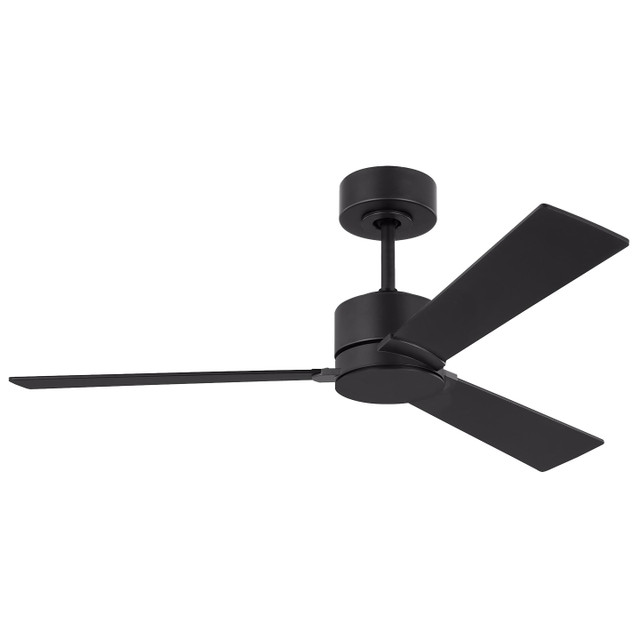
- Ceiling Fans: Clean every few months, especially when there is high usage. Use a dry cloth or duster to trap dust, then wipe the fan and blades with a damp cloth.
- Pedestal & Oscillating Fans: Remove the front grill to access the blades, then clean with warm, soapy water. Clean the motor area with compressed air or a dry cloth.
- Tower Fans: Vacuum intake and outlet vents with a brush attachment.
- Window/Box Fans: These fans are frequently used and tend to collect a lot of dust. Take apart the casing to wash the blades. Clean blades carefully with a damp cloth, ensuring the motor stays dry.
- Exhaust Fans: Vacuum the fan cover and replace the filters every 6 months.
Preparing for a Safe and Efficient Cleaning
Effective fan cleaning requires planning in order to prevent mishaps. By setting up a secure work area equipped with the proper materials, you will be able to clean your fan efficiently and safely.
Turning Off Power and Safety Precautions
Always turn off and unplug fans before you begin cleaning. This will prevent electric shock or accidental injury. For ceiling fans, ensure that the blades are fully stopped and you are using a sturdy ladder on flat ground.
Essential Supplies Checklist
Here is a brief list of necessities for fan cleaning:
- Microfiber Cloths - Microfiber cloths are a great way to ensure a thorough clean without scratching the fan
- Cleaning Solutions - Use mild detergent if anything more than water is needed.
- Dust Mask - Dusk masks protect you from inhaling accumulated dust and debris
- Ladder - To safely access ceiling fans, a sturdy ladder is required.
- Protective Cloth - A protective cloth helps keeps the area under the fan safe from dust and debris during cleaning.
Proper Ladder Setup and Area Protection
When cleaning ceiling fans, ensure you are using a sturdy, secure, ladder that is set to the proper height. To catch any dust or cleaning solution that may fall, place a protecting cloth underneath the fan.


Surface Dusting for Regular Maintenance
Fans will require fewer deep cleanings if they are dusted regularly. Regular surface dusting protects indoor air quality, enhances fan performance, and prevents motor strain.
Best Practices
For optimal maintenance, turn off the fan, use microfiber cloths for dust removal, and wipe blades regularly during heavy use to prevent buildup of dirt and debris.
Best Tools
A variety of tools can be used for effective fan cleaning. Everything from an old pillowcase to a vacuum can help you get your fan clean. The tools needed will depend on the type of fan that you have.
Deep Cleaning the Fan
While most fans only require occasional light cleaning, a deep clean may be necessary if you go too long without regular maintenance. Here is what you need to know for an effective deep clean of your fan:
Preparing and Applying the Right Cleaning Solution
Most fans can be cleaned with a damp cloth. If a cleaning solution is needed, be sure to use a mild solution so that you do not damage the material of the fan.
Commercial vs DIY Solutions
For commercial solutions, a mild detergent is usually all that is needed for an effective fan cleaning. If you are looking for a DIY option, white vinegar, baking soda, or mild dish soap are effective.
Cleaning the Fan Without Damage
To avoid damaging your fan during the cleaning process, be sure to carefully remove any outer cages, gently clean the blades with a microfiber cloth, and ensure that the motor of the fan does not get wet. A small vacuum or air compressor can also be used to clean your fan without any water.
Reassembly and Final Touches
Ensuring Proper Rebalancing and Secure Attachments
Rebalance a fan after cleaning it by tightening all blade screws, cleaning both sides of the blades, and using a balancing kit to identify any wobbly blades. Coins or tape can also be used if you don't have a balancing kit.
Final Polish for a Streak-Free Shine
Using a gentle furniture polish, car wax, or anti-static sprays can create a slick surface that repels dust and makes future cleanings easier.
Specialty Cleaning Techniques for Hard-to-Clean Fans
Some fans can be hard to clean and may require a special approach outside of a regular or even deep clean. Below are some options for hard-to-clean fans:
Using Steam for Stubborn Dirt and Grime
Steam is a gentle, chemical-free way to remove stubborn grease and grime from fans. Using a handheld steamer with attachments can help you target the areas of the fan that need cleaning without getting the motor or other functional parts of the fan wet.
Ultrasonic Cleaning for Fragile and Intricate Fans
For fans with complex elements or intricate features, ultrasonic cleaning is a great option. This method uses mild vibrations in an ultrasonic cleaner to remove dirt and grime without harming delicate functional pieces of the fan.


Post-Cleaning Maintenance and Care
Post-cleaning steps for fans typically involve reassembling any removed parts, ensuring all pieces of the fan are completely dry, and tightening loose screws to prevent rattling. Applying a polish or dust-repellent spray will help limit how often your fan needs to be cleaned.
Setting a Regular Dusting and Cleaning Schedule
To avoid accumulation, dust your fan every 1-3 months, especially in areas with lots of traffic or airflow. Be sure to do a thorough deep clean at least twice a year. Fans in areas of the home with high levels of dust, grime, or grease may require cleanings more frequently.
Common Fan Cleaning Issues
Common fan cleaning issues include removing stubborn grease buildup on kitchen fans, thick dust accumulation, and hard-to-reach blades. Common mistakes when cleaning fans involve using ineffective cloths that spread dust, neglecting to clean and maintain the area around the motor, and failing to properly power off the fan prior to cleaning.
How to Handle Streaks or Cloudiness
After cleaning, polish the fan using a microfiber cloth and a dust prevention spray. Avoid abrasive products like paper towels, and use a dry cloth to lightly buff the surface of the fan.
Fixing Loose or Missing Parts
Use a small screwdriver or other suitable tool to fix any loose parts of the fan. If parts are missing, ensure that you are replacing them correctly based on your model to prevent mismatched or poorly fitting parts.
Dealing with Metal Tarnish and Discoloration
With a metal fan, use a proper metal polish that compliments its particular finish. Before applying anything to the entire fixture, always test a small area first.
When to Consider Professional Cleaning Services
Professional cleaning for fans is recommended when they are making excessive noise, are wobbling, or there is heavy dust/grease buildup. If you are not comfortable with taking apart your fan, have allergies, or are unsure about ensuring the fan’s motor safety, it is essential to hire professionals.